GERD and Acid Reflux: Causes, Symptoms, and Treatment Options
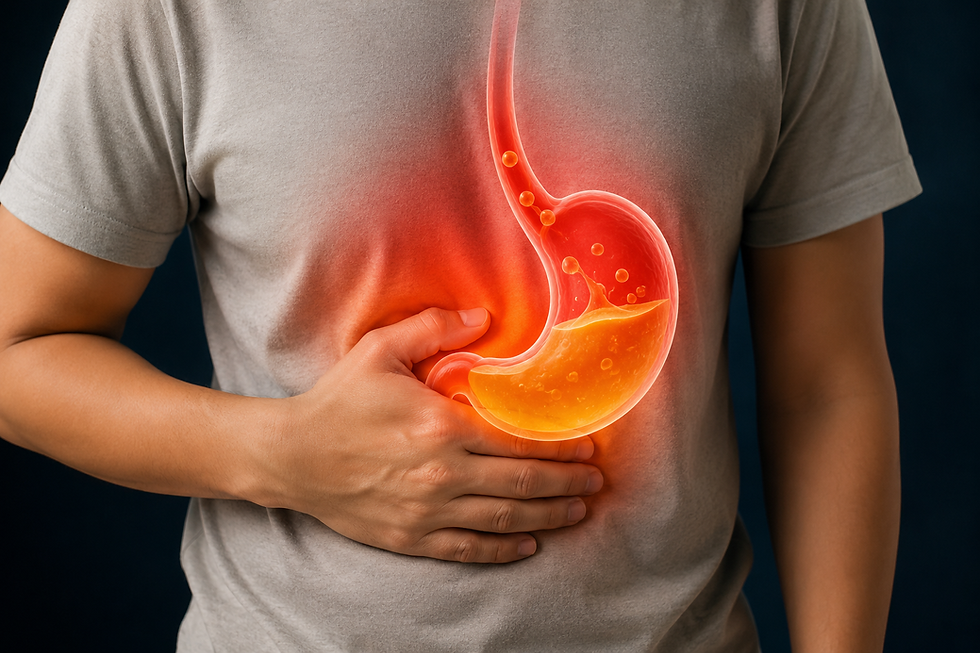
Digestive health is essential for overall well-being, yet millions of people experience discomfort caused by acid reflux and Gastroesophageal Reflux Disease (GERD). Occasional acidity after meals is common, but frequent acid reflux may indicate a more serious digestive condition that requires medical attention. GERD is one of the most common gastrointestinal disorders affecting people of all ages and can significantly impact daily life if left untreated.
A gastroenterologist specializes in diagnosing and treating digestive disorders such as GERD, acid reflux, ulcers, IBS, and other gastrointestinal conditions. Understanding the causes, symptoms, complications, and treatment options for acid reflux and GERD can help individuals manage symptoms effectively and maintain better digestive health.
What Is Acid Reflux?
Acid reflux occurs when stomach acid flows backward into the esophagus, the tube connecting the mouth and stomach. Normally, a muscular valve called the lower esophageal sphincter (LES) prevents stomach contents from moving upward. When this valve weakens or relaxes abnormally, acid can escape into the esophagus and cause irritation.
Occasional acid reflux is common, especially after heavy meals or certain foods. However, when reflux becomes frequent and persistent, it may develop into GERD.
What Is GERD?
Gastroesophageal Reflux Disease (GERD) is a chronic digestive disorder in which acid reflux occurs repeatedly over time. GERD can damage the lining of the esophagus and lead to complications if not treated properly.
GERD affects both adults and children and is often linked to lifestyle habits, obesity, stress, dietary choices, and underlying digestive issues.
Difference Between Acid Reflux and GERD
Although the terms are often used interchangeably, acid reflux and GERD are not exactly the same.
Acid Reflux
Occasional condition
May happen after certain meals
Usually temporary
Symptoms are mild and infrequent
GERD
Chronic and recurring condition
Symptoms occur frequently
May damage the esophagus
Requires medical evaluation and long-term management
Frequent reflux occurring more than twice a week may indicate GERD.
Common Causes of Acid Reflux and GERD
Several factors can contribute to acid reflux and GERD.
1. Weak Lower Esophageal Sphincter (LES)
The LES acts as a barrier between the stomach and esophagus. When it weakens or relaxes improperly, acid can flow backward.
2. Overeating
Large meals increase pressure on the stomach and make acid reflux more likely.
3. Spicy and Fatty Foods
Certain foods can trigger reflux symptoms, including:
Fried foods
Spicy foods
Citrus fruits
Tomatoes
Chocolate
Mint
Carbonated drinks
4. Obesity
Excess abdominal pressure caused by obesity can force stomach acid upward into the esophagus.
5. Smoking
Smoking weakens the LES and increases acid production.
6. Alcohol Consumption
Alcohol can relax the LES and irritate the digestive tract.
7. Stress and Anxiety
Stress affects digestive function and may worsen acid reflux symptoms.
8. Pregnancy
Hormonal changes and abdominal pressure during pregnancy can increase reflux risk.
9. Lying Down After Meals
Sleeping or lying flat immediately after eating makes reflux more likely.
10. Certain Medications
Some medications may trigger reflux symptoms, including:
Painkillers
Blood pressure medications
Sedatives
Certain asthma medications
Common Symptoms of GERD and Acid Reflux
Symptoms may vary from person to person.
Heartburn
A burning sensation in the chest is the most common symptom.
Acid Regurgitation
A sour or bitter taste in the mouth due to stomach acid reaching the throat.
Chest Discomfort
GERD-related chest pain may sometimes mimic heart problems.
Difficulty Swallowing
Inflammation of the esophagus may make swallowing uncomfortable.
Chronic Cough
Acid irritation can trigger coughing, especially at night.
Sore Throat and Hoarseness
Frequent acid exposure may affect the throat and vocal cords.
Bloating and Burping
Excess gas and stomach discomfort often accompany reflux.
Nausea
Some individuals experience nausea after meals.
Sleep Disturbances
Nighttime reflux can interrupt sleep and reduce sleep quality.
Warning Signs That Require Immediate Medical Attention
Some symptoms may indicate serious complications.
Seek Medical Care If You Experience:
Severe chest pain
Difficulty swallowing
Persistent vomiting
Unexplained weight loss
Blood in vomit
Black or tarry stools
Frequent choking sensation
A gastroenterologist can help identify the cause and recommend appropriate treatment.
Complications of Untreated GERD
Ignoring chronic acid reflux can lead to serious health problems.
Esophagitis
Long-term acid exposure can inflame the esophagus.
Esophageal Ulcers
Open sores may develop in the esophageal lining.
Esophageal Strictures
Scar tissue can narrow the esophagus and make swallowing difficult.
Barrett’s Esophagus
Chronic acid damage may change the esophageal lining and increase cancer risk.
Respiratory Problems
Acid reflux may contribute to:
Asthma flare-ups
Chronic cough
Throat irritation
Lung infections
Early treatment can help prevent these complications.
How GERD Is Diagnosed
A gastroenterologist may recommend diagnostic tests to confirm GERD and rule out other digestive conditions.
Common Diagnostic Procedures
Endoscopy
A thin flexible tube with a camera examines the esophagus and stomach.
pH Monitoring
Measures acid levels in the esophagus.
Esophageal Manometry
Tests muscle function in the esophagus.
Imaging Tests
X-rays or scans may help detect abnormalities.
Accurate diagnosis is essential for effective treatment.
Treatment Options for GERD and Acid Reflux
Treatment depends on symptom severity, lifestyle factors, and underlying causes.
Lifestyle and Dietary Changes
Lifestyle modifications are often the first step in managing GERD.
Eat Smaller Meals
Smaller portions reduce stomach pressure and reflux risk.
Avoid Trigger Foods
Limit foods that worsen symptoms, such as:
Spicy foods
Fatty foods
Caffeine
Chocolate
Carbonated drinks
Maintain a Healthy Weight
Weight loss can significantly improve reflux symptoms.
Avoid Lying Down After Meals
Wait at least two to three hours before sleeping after eating.
Elevate the Head While Sleeping
Raising the head of the bed may reduce nighttime reflux.
Quit Smoking
Smoking weakens the LES and worsens symptoms.
Reduce Alcohol Consumption
Limiting alcohol helps improve digestive health.
Manage Stress
Stress management techniques such as yoga, meditation, and exercise may help reduce symptoms.
Medications for GERD
Doctors may prescribe medications to reduce acid production and relieve symptoms.
Antacids
Provide temporary relief by neutralizing stomach acid.
H2 Blockers
Reduce acid production in the stomach.
Proton Pump Inhibitors (PPIs)
Strong acid-reducing medications commonly used for GERD treatment.
Prokinetic Medications
Help improve stomach emptying and digestive movement.
Medications should always be taken under medical supervision.
Surgical Treatment Options
In severe cases where medications and lifestyle changes do not help, surgery may be recommended.
Fundoplication Surgery
This procedure strengthens the lower esophageal sphincter to prevent reflux.
Surgery is generally reserved for chronic or complicated GERD cases.
Role of a Gastroenterologist in GERD Management
A gastroenterologist specializes in diagnosing and treating digestive disorders such as GERD and acid reflux.
How a Gastroenterologist Helps
Accurate diagnosis
Advanced endoscopy procedures
Personalized treatment plans
Long-term symptom management
Monitoring complications
Dietary and lifestyle guidance
Seeking expert care early helps prevent long-term digestive damage.
Preventing GERD and Acid Reflux
Healthy lifestyle habits can reduce the risk of developing reflux problems.
Prevention Tips
Eat a Balanced Diet
Focus on fruits, vegetables, whole grains, and lean proteins.
Stay Hydrated
Proper hydration supports healthy digestion.
Exercise Regularly
Physical activity helps maintain healthy body weight.
Avoid Overeating
Heavy meals increase stomach pressure.
Sleep Properly
Good sleep habits support digestive function.
Limit Processed Foods
Processed foods may worsen acidity and inflammation.
Importance of Early Treatment
Many people ignore recurring heartburn and acidity, assuming they are minor problems. However, frequent reflux can damage the digestive tract over time.
Early treatment helps:
Prevent complications
Improve quality of life
Reduce discomfort
Protect esophageal health
Improve sleep and daily activities
Consulting a gastroenterologist early can lead to faster diagnosis and better long-term outcomes.
Living With GERD
Although GERD is a chronic condition, proper treatment and lifestyle adjustments can help individuals lead healthy and comfortable lives.
Successful management often includes:
Following dietary recommendations
Taking medications correctly
Managing stress
Attending regular medical checkups
Monitoring symptoms carefully
Long-term care improves symptom control and overall digestive wellness.
Conclusion
GERD and acid reflux are common digestive conditions that can affect daily comfort and long-term health if left untreated. Symptoms such as heartburn, chest discomfort, bloating, chronic cough, and acid regurgitation should not be ignored when they occur frequently.
Understanding the causes, symptoms, and treatment options for GERD helps individuals take better care of their digestive health. Lifestyle modifications, healthy eating habits, stress management, and proper medical treatment play an important role in controlling symptoms and preventing complications.
Consulting a qualified gastroenterologist is essential for accurate diagnosis, personalized treatment, and long-term digestive wellness. Early intervention can improve quality of life and protect the digestive system from serious damage.


Comments