When Should You Consult a Gastro Physician for Stomach Problems?
- livercarecenter23
- Jan 23
- 4 min read
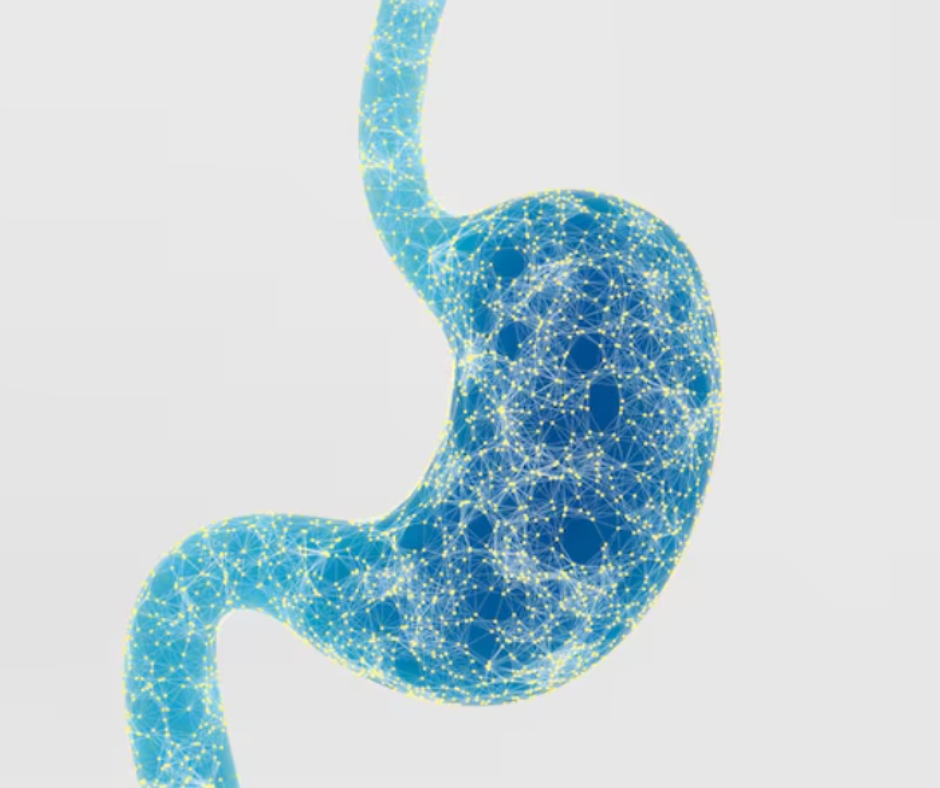
Stomach problems are among the most common health complaints people experience in their daily lives. From occasional indigestion after a heavy meal to persistent abdominal discomfort, many digestive issues are often ignored or self-treated with home remedies and over-the-counter medications. While mild symptoms may resolve on their own, some stomach problems can be warning signs of underlying digestive disorders that require medical attention. Knowing when to seek help from a Gastro Physician is crucial for timely diagnosis, effective treatment, and long-term digestive health.
Understanding Common Stomach Problems
Stomach issues can present in many forms, including pain, bloating, acidity, nausea, vomiting, changes in bowel habits, or a feeling of fullness even after eating small amounts. These symptoms may arise due to temporary factors such as stress, poor diet, or infections. However, when symptoms become frequent, severe, or long-lasting, they may indicate conditions such as gastritis, acid reflux, peptic ulcers, irritable bowel syndrome, or more serious gastrointestinal disorders.
Many individuals tend to normalize stomach discomfort, assuming it is a routine part of life. This mindset often delays proper diagnosis and treatment, allowing conditions to worsen over time. Understanding the difference between occasional discomfort and persistent symptoms is key to knowing when professional care is needed.
Persistent or Recurring Abdominal Pain
One of the most important signs that you should seek medical advice is persistent or recurring abdominal pain. Occasional stomach pain after overeating or consuming spicy food is usually harmless. However, pain that lasts for days, keeps returning, or interferes with daily activities should not be ignored. Chronic abdominal pain may be associated with ulcers, gallbladder disease, inflammatory bowel conditions, or digestive tract infections.
The location, intensity, and timing of the pain often provide valuable clues about its cause. Pain that worsens after meals, occurs at night, or is accompanied by other symptoms deserves careful evaluation to rule out serious gastrointestinal conditions.
Frequent Acidity, Heartburn, or Indigestion
Occasional acidity or heartburn is common, especially after heavy meals or lying down soon after eating. However, frequent episodes of burning sensation in the chest or upper abdomen, sour taste in the mouth, or difficulty swallowing may indicate acid reflux disease. Long-term untreated reflux can lead to complications such as inflammation of the esophagus, ulcers, or narrowing of the food pipe.
If indigestion becomes a regular problem despite dietary changes and medications, it is a clear sign that further medical assessment is necessary. Identifying the root cause early can prevent long-term damage to the digestive system.
Changes in Bowel Habits
Changes in bowel habits are another important indicator that professional evaluation may be needed. Persistent diarrhea, chronic constipation, or alternating episodes of both can point to digestive disorders such as irritable bowel syndrome, infections, or inflammatory bowel disease. Additionally, changes in stool color, consistency, or frequency that last for several weeks should not be overlooked.
Sudden changes in bowel habits, especially in adults, may also signal more serious conditions. Early diagnosis helps in managing symptoms effectively and improving overall quality of life.
Unexplained Weight Loss or Loss of Appetite
Unintended weight loss or a noticeable decrease in appetite can be a red flag for underlying digestive problems. When the stomach or intestines are not functioning properly, nutrient absorption may be affected, leading to weight loss and weakness. These symptoms can be associated with chronic infections, malabsorption disorders, or inflammatory conditions of the digestive tract.
Loss of appetite accompanied by nausea, early fullness, or fatigue should be evaluated promptly to identify and address the cause before it leads to further health complications.
Nausea, Vomiting, or Difficulty Swallowing
Occasional nausea or vomiting may occur due to food poisoning or viral infections. However, persistent nausea, repeated vomiting, or difficulty swallowing can indicate more serious issues such as gastritis, ulcers, obstructions, or esophageal disorders. Vomiting blood or noticing dark, coffee-colored material in vomit is a medical emergency that requires immediate attention.
Difficulty swallowing or the sensation that food is stuck in the throat or chest should never be ignored, as it may signal inflammation, narrowing, or growths in the digestive tract.
Blood in Stool or Black-Colored Stools
The presence of blood in stool or black, tarry stools is a serious symptom that warrants urgent medical evaluation. These signs may indicate bleeding in the digestive tract, which can result from ulcers, hemorrhoids, inflammatory conditions, or tumors. Even if bleeding appears minimal or painless, it should not be dismissed.
Early detection of the source of bleeding can be lifesaving and significantly improve treatment outcomes.
Stomach Problems Affecting Daily Life
When stomach problems begin to interfere with daily activities, work, sleep, or social life, it is a strong indication that professional care is needed. Chronic digestive discomfort can lead to stress, anxiety, and reduced productivity, creating a cycle that further worsens symptoms.
Addressing digestive issues early not only improves physical health but also enhances overall well-being and quality of life.
Importance of Early Diagnosis and Treatment
Seeking medical advice at the right time allows for accurate diagnosis through appropriate tests and examinations. Early treatment can prevent complications, reduce the need for invasive procedures, and help manage conditions more effectively. Digestive disorders often respond well to timely medical intervention combined with lifestyle and dietary modifications.
Ignoring symptoms or relying solely on temporary relief measures may mask the problem rather than resolve it, leading to long-term health consequences.
Conclusion
Stomach problems may seem common, but persistent or severe symptoms should never be ignored. Paying attention to warning signs such as ongoing pain, frequent acidity, changes in bowel habits, unexplained weight loss, or bleeding can make a significant difference in outcomes. Timely consultation ensures proper diagnosis, effective treatment, and lasting digestive health. Trusting an Expert Gastro Physician can provide clarity, relief, and the right guidance to restore comfort and confidence in your digestive well-being.


Comments